The Homeowner’s Guide to Roof Repairs in Succasunna NJ
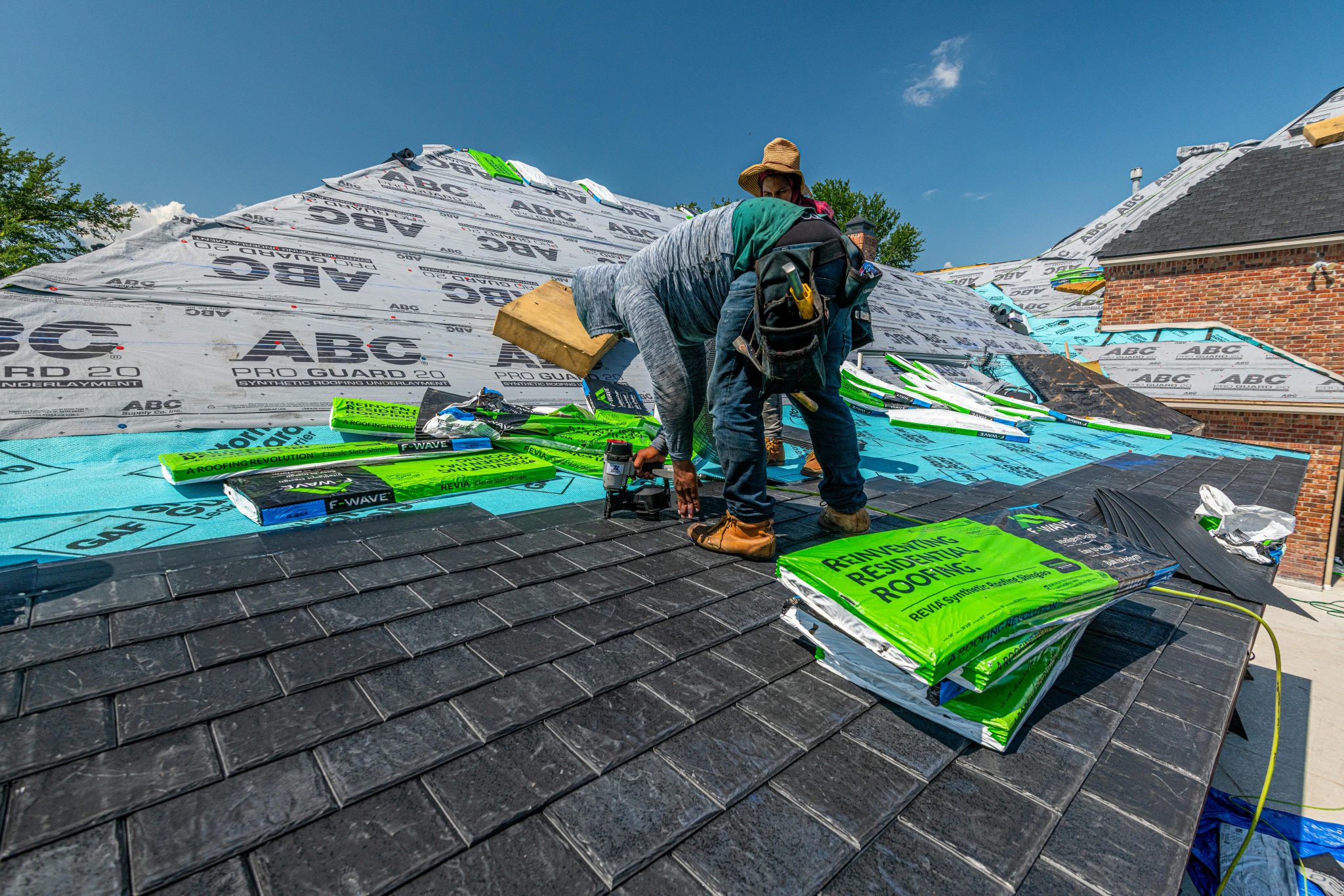
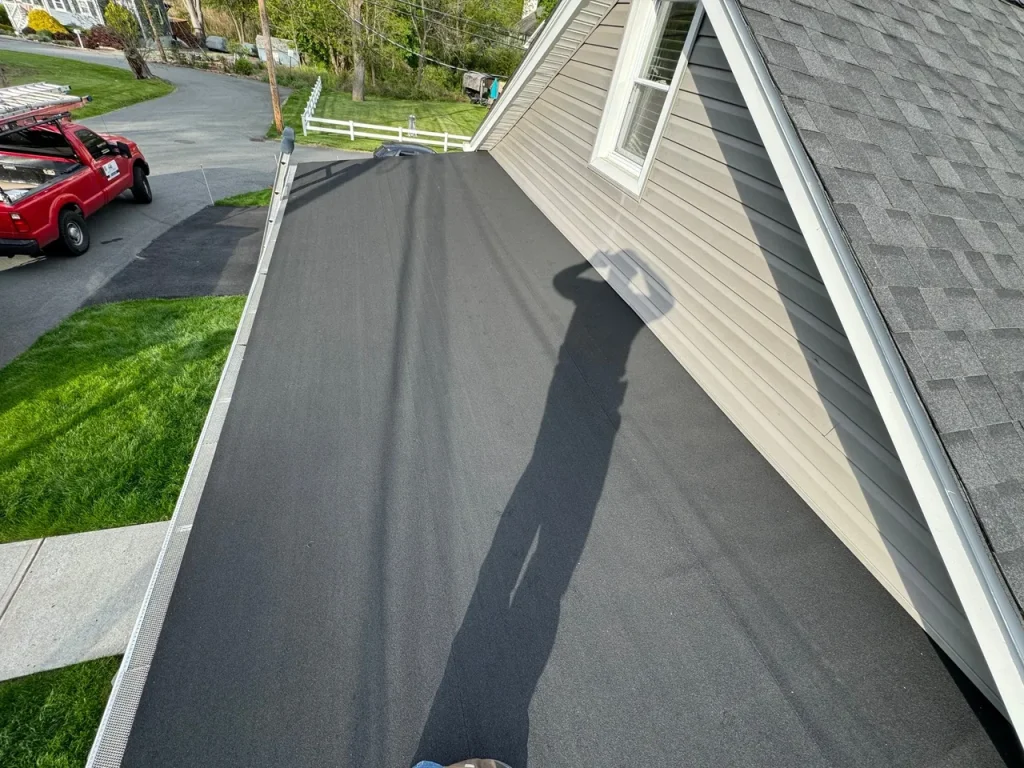

A roof rarely fails all at once. More often, it gives a homeowner a series of chances to catch a problem early, save money, and avoid the kind of interior damage that turns a repair into a larger home project. In Succasunna, those chances can come and go quickly. A roof here has to handle winter snow loads, freeze-thaw cycles, heavy spring rains, humid summers, and the kind of windy storms that can lift shingles just enough to create a leak weeks later.
That local weather pattern matters. Roof repairs in a place like Succasunna are not just about patching what is visible from the driveway. They involve reading how water moves, how shingles age in our climate, and how one weak spot near flashing or a roof penetration can affect plywood decking, attic insulation, and even indoor air quality. Homeowners often call after seeing a stain on a bedroom ceiling, but the real source may be ten or twelve feet uphill from the stain itself.
If you own a home in Roxbury Township or nearby and you are trying to make sense of a leak, storm damage, or an aging shingle roof, it helps to understand what roof repairs actually involve, when a repair makes sense, and when a replacement is the more honest recommendation.
Why roofs in Succasunna take a beating
North Jersey roofs live through a lot in a single year. Snow can sit on shaded sections longer than expected, especially on north-facing slopes. Ice dams can form along eaves when attic heat escapes unevenly, melting the snow above and refreezing it at the colder roof edge. Once that happens, water can back up beneath shingles and find its way into the house.
Then spring and summer bring a different set of stresses. Sudden downpours test flashing around chimneys, skylights, vent stacks, and valleys. High humidity can expose ventilation problems in the attic. By late summer, years of sun exposure begin to show up as brittle asphalt shingles, granular loss, and seal strips that no longer hold as firmly as they should.
Even the trees common in Morris County neighborhoods play a role. Branches scrape shingle surfaces, moss can take hold in shaded areas, and gutters fill with leaves that trap water where it should be flowing away. Roof repairs Succasunna NJ homeowners need most often are tied not to one dramatic event, but to this steady accumulation of stress.
The first signs that a roof needs attention
Most homeowners do not need to climb onto the roof to know something is wrong. The early warnings usually show up in ordinary ways. A small stain in the corner of an upstairs room after a hard rain. A shingle in the yard. A dark patch on the roof that stays wet longer than the surrounding area. Sometimes the clue is in the attic, where a faint musty smell points to a moisture issue that has been developing quietly.
These are the signs worth taking seriously:
- Water stains on ceilings, wall tops, or around window trim near upper floors
- Missing, cracked, curled, or lifted shingles
- Granules collecting in gutters or at the base of downspouts
- Damp attic insulation, moldy roof decking, or visible daylight through the roof boards
- Flashing that appears rusted, separated, or loose around chimneys and vents
None of these symptoms automatically means the whole roof is finished. That is one of the biggest misconceptions homeowners have. A missing shingle after a windstorm might be a straightforward repair if the surrounding roof system is still sound. On the other hand, a small leak around a chimney can be a sign that flashing was installed poorly years ago and has been allowing slow water intrusion into the decking. The visible symptom may be minor while the hidden damage is not.
What a professional roofer is actually looking for
When an experienced roofer inspects a leaking roof, the goal is not simply to locate a hole. The goal is to understand the full water path. Water travels in deceptive ways. It can enter around a pipe boot, run along an underlayment seam, follow the top of a truss, and show up in a hallway nowhere near the original breach.
A proper inspection usually starts with the age and type of the roof. An architectural asphalt shingle roof that is 8 years old tells a different story than a three-tab roof pushing 22 years. The roofer will look at shingle condition, exposed fasteners, flashing details, ventilation, sagging, soft decking, gutter drainage, and evidence of prior repairs. Inside the attic, they will often check for staining patterns, mold growth, compressed insulation, and nails with rust halos, which can point to moisture issues.
This is where experience matters. Two leaks may look similar from inside the home, but the remedies could be completely different. One might need a simple vent boot replacement. Another might require opening a section of roofing, replacing wet decking, installing ice and water protection, and reworking adjacent shingles to rebuild the assembly correctly.
The most common Roof Repairs in Succasunna NJ
In this area, asphalt shingle systems account for a large share of residential calls, and the recurring repair categories are fairly predictable.
Flashing repairs are near the top of the list. Chimneys are notorious problem spots because they combine masonry, metal flashing, mortar joints, and roof movement in one location. If step flashing was not layered correctly during installation, or if counterflashing has pulled away, leaks can develop after years of freeze-thaw movement. Homeowners often assume the chimney itself is leaking when the actual failure is in the flashing tie-in.
Vent pipe boots are another routine issue. The rubber collar around a plumbing vent can crack from UV exposure long before the surrounding shingles wear out. It is a small component, but when it fails, it can send water directly below into insulation and ceiling drywall.
Shingle blow-offs happen after wind events, especially on older roofs where the adhesive strip has weakened. If caught quickly, this may be one of the more manageable Roof Repairs a homeowner can face. Delay it, though, and exposed underlayment can degrade, fasteners can loosen, and rain can reach the decking.
Valley repairs are more involved. Valleys carry a concentrated amount of water, so any installation defect there tends to show up dramatically during storms. Woven valleys, cut valleys, and metal valleys each have their own failure patterns. An exposed nail placed where water channels heavily can create a problem that appears only during certain rain conditions, which is one reason valley leaks often frustrate homeowners.
Gutter-related edge damage also appears regularly in older homes. When gutters back up or pull away from the fascia, water can wick into roof edges, rot trim, and deteriorate the first course of shingles. Sometimes the leak blamed on the roof is partly a drainage problem.
Repair or replacement, how to make the call honestly
Homeowners naturally hope a repair will solve the issue, and often it can. But not every roof is a good repair candidate. The right decision depends on age, overall wear, the extent of localized damage, and whether the existing shingles can be integrated with new materials without creating more problems.
A roof under 12 to 15 years old with isolated storm damage or a flashing failure is often very repairable. A roof near the end of its service life, with widespread granular loss, multiple brittle areas, and recurring leaks, is different. In that case, the money spent chasing one issue after another may be better put toward replacement.
Matching is another practical factor. New shingles patched into an older roof will usually stand out, even when the color name is the same. Manufacturers update blends, sun fading changes appearance, and older shingles may have flattened over time. For some homeowners, that cosmetic mismatch is acceptable. For others, especially on a visible front slope, it becomes part of the decision.
There is also a workmanship reality that should be said plainly. On very old roofs, carefully removing surrounding shingles to access a damaged section can break adjacent tabs because they have become brittle. A good roofer will explain that risk before starting. Honest communication matters more than a promise that everything will look untouched when conditions make that unlikely.
What a roof repair typically costs
Costs vary with roof height, pitch, access, material, and the amount of hidden damage found after opening the area. It is more responsible to talk in ranges than to throw out a single number.
A minor repair, such as replacing a few shingles or a basic vent boot, may fall in the low hundreds to perhaps around a thousand dollars depending on access and service minimums. Flashing repairs around chimneys or skylights often cost more because they require careful disassembly and reinstallation of surrounding materials. If decking is soft and needs replacement, the price rises accordingly because the issue is no longer just surface-level.
Storm-related roof repairs can be deceptively variable. A roof that loses a handful of shingles may be straightforward. A roof that appears to have only small visible damage may reveal compromised underlayment, loosened ridge components, or impact bruising that shortens the roof’s remaining life. That is one reason estimates can differ. One contractor may be quoting what is visible. Another may be accounting for the likely scope needed to do the repair properly.
If you are collecting quotes, pay attention to what is actually included. “Chimney leak repair” can mean anything from applying sealant around a suspect area to removing shingles, replacing step flashing, installing new counterflashing details, and checking nearby decking. Those are not comparable scopes of work.
Insurance, storm claims, and realistic expectations
Insurance may help when the damage is sudden and tied to a covered event, such as wind or hail, but not when the problem is ordinary wear, deferred maintenance, or long-term deterioration. Homeowners sometimes expect insurance to cover any roof leak discovered after a storm, yet the policy may distinguish between fresh storm damage and a roof that was already worn out.
Documentation helps. If a storm recently passed through and you notice missing shingles, dented metal components, or interior leaking soon afterward, take dated photos and arrange for a prompt inspection. Waiting months can muddy the picture and make it harder to connect the damage to a specific event.
That said, not every storm call turns into a claim, and not every claim should. If the repair is modest and your deductible is high, a claim may not be worthwhile. A reputable roofing contractor should be able to document conditions clearly, explain whether the damage appears consistent with storm impact, and give you enough information to make a sound decision without inflating expectations.
Why small leaks become expensive fast
The difference between a same-week repair and a delayed repair is often hidden from view. Water that gets beneath shingles does not politely stay in one place. It can soak roof decking, wet insulation, stain drywall, swell trim, and create conditions where mold begins to form in enclosed areas.
I have seen relatively small flashing failures turn into attic insulation replacement, drywall patching, paint work, and trim repair because the leak continued through two seasons before anyone addressed it. The roof repair itself was not the major cost. The collateral damage was.
That is especially true in winter. A tiny breach can become much worse when snowmelt repeatedly enters, freezes, expands, and opens the pathway further. By the time the ceiling stain becomes noticeable, the roof sheathing may already be compromised.
Seasonal timing matters, but urgency matters more
Homeowners often ask whether spring or fall is the best time for Roof Repairs. In a perfect world, mild, dry weather is ideal for inspection and scheduled work. Materials are easier to handle, crews can work more predictably, and homeowners can plan before winter stress arrives.
Real life is not always that neat. If you have an active leak in January, the right move is not to wait for April. Emergency measures, temporary waterproofing, and cold-weather repairs are part of roofing in New Jersey. There are limits, of course. Certain adhesives and sealants behave differently in low temperatures, and snow or ice can restrict what can be done safely in the moment. But stabilization now is almost always better than hoping the problem stays contained.
For non-urgent issues, early fall tends to be a practical time to act because it gives the roof a chance to head into winter in stronger condition. Late spring is also sensible, especially if winter exposed weak points.
How to choose a roofer without guessing
A roof repair is one of those jobs where a homeowner may not be able to verify quality just by looking from the ground. That makes contractor selection more important than it is for many other home repairs.
Look for a contractor who inspects thoroughly, explains findings in plain language, and distinguishes between what is confirmed, what is likely, and what cannot be known until a section is opened. Vague assurances are not enough. Neither is an instant diagnosis made from the driveway.
A strong roofing estimate should describe the area to be repaired, the materials involved, whether decking replacement is included or extra if needed, and what workmanship warranty applies. If the contractor recommends replacement instead of repair, ask why. The answer should be specific. You want to hear about brittleness, widespread wear, multiple failure points, or structural concerns, not just a push toward a larger sale.
These questions usually separate careful contractors from the rest:
- What do you believe is causing the leak, and how confident are you before opening the roof?
- Will this repair include flashing replacement, or are you sealing existing components?
- If you find damaged decking, how is that handled and priced?
- How will the repaired area tie into the existing roof, especially on an older shingle system?
- What warranty do you provide on the repair work itself?
Good contractors do not mind these questions. They answer them every week.
Repairs that fail early, and why they do
Many homeowners have had the frustrating experience of paying for a roof repair only to see the https://andresvteo387.inkharbory.com/posts/avoid-structural-damage-with-roof-repairs-in-succasunna-nj leak return. Usually that happens for one of three reasons. First, the original diagnosis was incomplete. The repair addressed where the water appeared, not where it entered. Second, the contractor applied a surface fix, often heavy sealant, instead of rebuilding the failed detail. Third, the surrounding roof condition was too far gone for a durable isolated repair.
Sealant has its place, but it is not a substitute for proper flashing work. If a chimney leak is caused by missing step flashing integration, smearing roofing cement around the perimeter might slow the leak temporarily. It will not solve the underlying problem for long, especially through a New Jersey winter.
Another common failure point is poor fastening and shingle integration. When repair shingles are not installed with care, or when nail placement is off, wind can lift the area sooner than expected. On steeper roofs or heavily exposed slopes, those details matter even more.
Attic ventilation and insulation, the hidden side of roof performance
Roof repairs are sometimes treated as if the exterior alone tells the story. In reality, attic conditions often explain why a roof aged poorly or why ice dams keep returning. If warm, moist air from the living space enters the attic and lingers there, it can condense on the underside of the roof decking during cold weather. That moisture can mimic a roof leak or worsen one.
Poor ventilation also shortens shingle life. Excessive attic heat can bake the underside of roofing materials through the summer, while winter temperature imbalances contribute to uneven snowmelt. Insulation problems play into this as well. Gaps around attic hatches, recessed lights, and top plates can allow heat loss that drives ice dam formation at the eaves.
A homeowner dealing with repeated winter edge leaks should not only ask, “Where is the roof failing?” but also, “Why is this section experiencing so much melt and refreeze compared with the rest?” Sometimes the lasting fix is a combination of roof repair, ventilation correction, and air sealing.
Maintenance that actually reduces repair risk
Roofs do not need constant fussing, but they do benefit from sensible attention. A homeowner in Succasunna can prevent a surprising amount of trouble with a few disciplined habits each year.
Start with observation. After strong storms, look from the ground for displaced shingles, bent flashing, or branches on the roof. Check the attic during or shortly after heavy rain if you can do so safely. Clean gutters before winter and again when spring debris settles down. Trim branches that hang too close. If moss begins to spread on shaded sections, address it before it traps moisture against the shingle surface.
This kind of maintenance does not eliminate Roof Repairs, but it often turns emergency calls into manageable scheduled work. That alone can save a lot of money and disruption.
When emergency service is the right call
There are situations where waiting even a few days is unwise. Water actively dripping into living space, a tree impact, visible sagging, widespread shingle loss after a windstorm, or exposed interior decking are all reasons to seek immediate help. The first goal in those cases is stabilization, keeping water out and preventing unsafe conditions. The full repair can follow once the roof is dry enough and conditions allow proper work.
Homeowners sometimes hesitate because they assume emergency service always means a massive bill. Not necessarily. It can simply mean tarp protection, temporary sealing, and a prompt site assessment that prevents a much larger loss. A roof problem rarely gets cheaper by being ignored.
A practical way to think about your next step
If your roof in Succasunna is showing signs of trouble, the smartest approach is usually neither panic nor delay. Treat it like any important home system. Get a qualified inspection, ask clear questions, and make the decision based on the roof’s overall condition rather than the hope that every problem has a bargain fix.
Roof repairs Succasunna NJ homeowners need most often are very manageable when caught early. A lifted shingle, a failed vent boot, aging chimney flashing, a vulnerable valley, these are ordinary issues in an ordinary climate. What changes the outcome is timing, workmanship, and whether the person diagnosing the problem understands the whole roofing system, not just the spot where the stain appeared.
A good roof repair should buy you confidence, not just a few dry weeks. That is the standard worth aiming for.
Royalty Exteriors
Address: 151 NJ-10 Ste 103A, Succasunna, NJ 07876
Phone number: +19733337234
FAQ About Roof Repairs Succasunna NJ
How much should I pay for roof repairs?
Most homeowners pay an average of $900 to $1,200 for roof repairs, with typical projects ranging from $150 to $3,000+ depending on the severity of the damage.
What are the most common roof repairs?
The most common roof repair is fixing water leaks by replacing damaged, cracked, or missing asphalt shingles and sealing compromised flashing.
Does homeowners insurance pay for roof repairs?
Homeowners insurance pays for roof repairs only if the damage is sudden and accidental, such as from a storm, hail, or a falling tree.