Best Times of Year to Schedule Roof Repairs Succasunna NJ
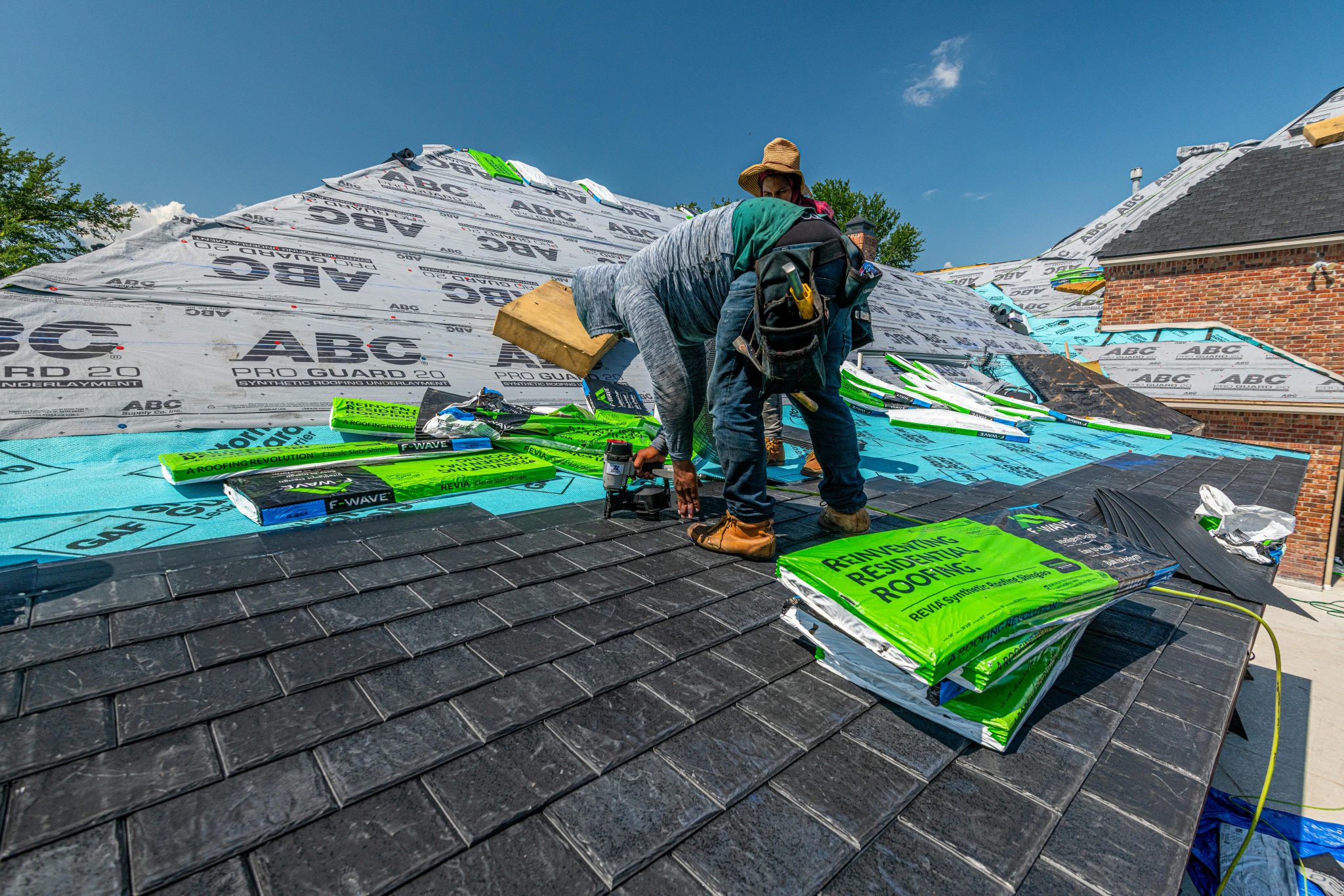


Homeowners in Succasunna tend to call for roof work in one of two moments: right after a leak appears, or right after they notice something from the ground that does not look right. Both are understandable. Neither is ideal.
The best roof repair timing is usually not the day water starts dripping into a bedroom, and it is not the week after a major storm when every roofing crew in Morris County is booked solid. The smarter approach is to understand how the local seasons affect materials, labor, access, and risk. Once you see how weather patterns in northwestern New Jersey shape roofing work, scheduling becomes much easier, and often less expensive.
Roofing is one of those trades where timing matters more than many people realize. A small flashing repair in cool, dry weather can be straightforward. That same repair in icy conditions, after repeated freeze-thaw cycles, can turn into a larger problem. A shingle replacement that would take a short visit in spring can become an emergency patch in late January. For homeowners looking into Roof Repairs Succasunna NJ, the season often determines not only when the work can happen, but how long the repair lasts and how disruptive the process feels.
Why timing matters more in Succasunna than people expect
Succasunna sits in a climate that puts roofs through real seasonal stress. Winters can bring snow load, ice, and repeated freezing. Spring often brings wind-driven rain. Summer can mean intense UV exposure, attic heat, and sudden thunderstorms. Fall tends to be steadier, but it is also a busy season because many homeowners finally act on issues they noticed earlier in the year.
That seasonal swing affects common roofing materials in practical ways. Asphalt shingles, still the most common residential roofing material in the area, seal best within a moderate temperature range. Sealant products behave differently in cold weather than in warm weather. Underlayment, flashing details, and ventilation assessments are all easier to inspect when surfaces are dry and conditions are safe.
There is also the question of diagnosis. Not every roof problem is visible during a quick glance from the driveway. A stain on an upstairs ceiling could come from a plumbing vent boot, a valley issue, chimney flashing, or even attic condensation. The right season gives a contractor a better chance to inspect the full picture, trace water paths, and fix the root cause rather than just the symptom.
Spring is often the first real repair window
For many homes, spring is when winter damage finally reveals itself. Snow and ice may have stressed shingles, widened old flashing gaps, or exposed weak points around eaves and penetrations. Once temperatures rise and roofs dry out, inspections become easier and repairs become more predictable.
Spring is an excellent time for targeted Roof Repairs because the roof has just come through the harshest test of the year. If a section lifted during winter wind, if granule loss accelerated, or if ice damming pushed water where it should never go, those clues are often easiest to spot at this point. In practical terms, this is the season when many minor issues can still be addressed before summer thunderstorms exploit them.
There is another advantage to spring in Succasunna. Roofing schedules are often active, but not always at peak backlog yet, especially in the earlier part of the season. A homeowner who books an inspection in March or April may have more flexibility than someone who waits until a July storm creates a rush of service calls across the region.
Still, spring is not perfect. Rain can interrupt work. Some years stay cold longer than expected. Early spring mornings may not give crews a full safe work window, especially on shaded roof planes that hold moisture. When people ask whether spring is always the best answer, I usually say this: spring is one of the best times to identify and repair winter-related damage, but only when temperatures and surface conditions are consistently suitable for the specific repair.
A small example illustrates the point. A homeowner notices a brown ring on a second-floor ceiling in April. The problem turns out to be cracked sealant and loosened flashing near a plumbing vent. In mild weather, that repair can be done cleanly, inspected thoroughly, and monitored before heavy summer rain. If that same issue is ignored until late fall, one hard freeze can turn a modest repair into interior drywall work and insulation replacement.
Early summer works well for many repair types
Once late spring transitions into early summer, roofing crews often get some of the most productive conditions of the year. Longer daylight, more consistent temperatures, and dry stretches all help. For many standard repairs, especially shingle replacement, flashing correction, pipe boot replacement, and minor decking spot work, this is a strong scheduling window.
There is a sweet spot in early summer before the hottest weeks set in. Roof surfaces can get extremely hot in direct sun, and heat affects both worker safety and material handling. But in June and the earlier part of July, conditions are often favorable enough for efficient work without the intensity that later summer can bring.
This is also the season when a homeowner can take care of a repair before the roof enters the heavy thunderstorm period. Summer storms in New Jersey do not need to be dramatic to cause trouble. A brief burst of wind can lift already weakened shingles. Wind-driven rain can find a tiny opening around a chimney cricket or skylight curb. If you already know your roof has a vulnerable spot, early summer is usually a better time to fix it than mid-storm season.
There is a practical budget angle too. Emergency work almost always narrows your options. When water is actively entering the house, the question stops being “Who is the best fit?” and becomes “Who can get here first?” Planned early summer repairs give you the chance to compare approaches, ask better questions, and avoid paying for avoidable interior damage.
Late summer can be effective, but it comes with caveats
Late summer is often busy. Homeowners return from vacations, notice issues after storms, and start thinking ahead to fall. Repairs can absolutely be done well during this period, but the timing gets trickier.
On the positive side, warm weather supports many repair processes. Materials are workable, sealants cure properly in the right conditions, and crews can often move quickly. If your roof issue is straightforward, such as replacing a cluster of damaged shingles or correcting exposed fasteners and localized flashing defects, late summer can still be a strong option.
The challenge is storm volatility and heat. Afternoon thunderstorms can disrupt jobs, and intense roof temperatures can slow productivity or compress the safe workday. A roof that feels manageable from the lawn can be punishing under direct sun by early afternoon. Good contractors plan around that, but it is still a factor.
This season also brings a scheduling reality many homeowners underestimate. Late summer can create a bottleneck because people are trying to finish repairs before school starts, before leaves begin to fall, or before they shift spending toward holiday expenses. If you wait until August to address a problem first spotted in May, you may find yourself competing for the same calendar slots as dozens of other homeowners.
Fall is the favorite season for good reason
If you ask many experienced roofers when they prefer to perform non-emergency repairs, fall often tops the list. In Succasunna, early to mid-fall typically offers a useful balance: cooler air, generally stable conditions, and enough time to prepare a roof for winter stress.
This is especially important because winter is not forgiving. Any weakness in flashing, ridge details, valleys, or shingle adhesion can become much more serious after freeze-thaw cycles begin. Fall gives homeowners a chance to tighten up those weaknesses before snow, ice, and prolonged cold expose them.
There is also a material performance advantage. Moderate temperatures are friendlier for many roofing products than winter cold or high summer heat. Crews can inspect details carefully, move safely, and spend the time needed on diagnosis. A repair performed in October under dry conditions often has a better chance of being complete and durable than a hurried patch installed during a January cold snap.
That said, fall is not a secret. It is busy. Very busy. Homeowners who want fall service should not wait for the first cold week to start calling. By then, many strong contractors have already filled their schedules with repairs and replacements. The best move is usually to inspect in late summer and book in early fall if work is needed.
One pattern I have seen repeatedly is the homeowner who notices a few curled shingles around Labor Day, assumes there is still plenty of time, and calls in late October. At that point, leaves are dropping into valleys and gutters, daylight is shorter, mornings are colder, and every company is trying to finish jobs before weather turns. The repair may still happen, but the scheduling flexibility is gone.
Winter repairs are sometimes necessary, rarely ideal
Winter is the season of urgency. When a roof leak is active in January, nobody should wait for perfect weather if water is entering the home. Emergency Roof Repairs matter because a small intrusion can quickly damage insulation, ceilings, framing, and finishes. In that situation, temporary protective work and then a permanent repair plan are the right approach.
But winter is not the best season for routine or elective repairs in Succasunna. Snow cover can hide damage. Ice creates safety concerns. Cold temperatures affect shingle pliability and adhesive performance. Some repairs that look simple on paper become difficult to execute properly when surfaces are brittle and frost lingers into midday.
That does not mean nothing can be done. Skilled roofers can perform many cold-weather repairs, especially if they are responding to a specific failure and conditions allow safe access. Temporary tarping, leak tracing, flashing stabilization, and emergency sealing are all part of real-world roofing work. The point is that winter often forces a different strategy. Instead of aiming for ideal long-term conditions, the focus may be on stopping water, protecting the structure, and returning for final work when weather improves.
For homeowners seeking Roof Repairs Succasunna NJ, this distinction is important. A winter response may be necessary, but if you have the option to address known issues in spring or fall, those seasons usually provide better working conditions and better scheduling control.
The kind of repair affects the best season
Not every roof problem follows the same calendar. A missing shingle after a windstorm is different from chronic chimney flashing leakage. A soffit or fascia issue tied to moisture behaves differently from a pipe boot failure. Timing should match the repair type.
Shingle repairs often fit well in spring, early summer, or fall, when temperatures are moderate and crews can inspect surrounding areas for related wear. Flashing repairs around chimneys, skylights, and dormers also benefit from dry, temperate conditions because diagnosis matters as much as the repair itself. Gutter-related edge issues often show up in spring after snowmelt, but should ideally be corrected well before the next freeze season.
Leaks around roof penetrations can be deceptive. I have seen homeowners replace attic insulation, repaint ceilings, and still miss the actual source because they focused on where water appeared indoors rather than where it entered the roof system. Scheduling an inspection during a season that allows careful tracing, rather than emergency patching, can save a lot of repeated work.
Age matters too. If a roof is nearing the end of its expected service life, a repair in the wrong season may simply buy a short amount of time. That does not mean repairs are pointless. It means the timing conversation should include whether the issue is isolated or whether the roof is signaling broader decline.
How far ahead should you schedule?
For planned work, the best answer is usually sooner than feels necessary. If you suspect a roof issue and the interior is still dry, you are in the best possible position to act thoughtfully. You can get an inspection, review photos, ask what is urgent versus what can wait, and choose a season that fits your budget and the contractor’s workflow.
A reasonable rule in this area is to think one season ahead. If it is winter and you notice a concern that is not actively leaking, book an evaluation so spring work can happen early. If it is midsummer and you know a repair is needed, do not assume fall availability will be wide open. Start the process before everyone else does.
That timing matters even more after major storms. Large weather events create a surge in calls, and reputable contractors naturally prioritize active leaks and unsafe conditions first. If your roof issue is already documented and scheduled before the next regional storm event, you are much less likely to get trapped in that backlog.
Signs that mean “schedule now,” regardless of season
Some roof issues should not wait for the ideal month. If you notice water stains growing after rain, shingles on the lawn, visible sagging, persistent dampness in the attic, or daylight showing where it should not, the calendar stops mattering. Those are immediate inspection issues.
Even subtler signs deserve respect. A musty attic after storms, paint bubbling near the top-floor ceiling, or recurring ice buildup along the same eave line each winter can all point to roof-related defects. The cost difference between early intervention and delayed response can be substantial, especially once insulation, framing, trim, or drywall get https://daltonqmaw852.rivetgarden.com/posts/how-experienced-crews-deliver-roof-repairs-succasunna-nj-efficiently involved.
Homeowners sometimes worry about “bothering” a contractor over what turns out to be a small issue. That concern is misplaced. Roofers would much rather fix a small defect in a controlled setting than try to manage interior damage after the next heavy rain.
Making the most of your repair appointment
A good roof repair visit starts before anyone climbs a ladder. If you can, note when the problem appears, whether it happens during steady rain or wind-driven storms, and whether snowmelt seems to trigger it. Those details can be more useful than homeowners realize. Water rarely follows a straight line once it gets beneath roofing materials.
It also helps to be realistic about access and diagnosis. A stain on the ceiling below a chimney does not always mean the chimney flashing is at fault. A leak near a wall might originate several feet uphill. Good repair work often begins with careful inspection, attic review if accessible, and exterior photos. The season you choose should support that process, not rush it.
When comparing contractors, ask how they determine the source of the problem, whether the repair is expected to be permanent or temporary, and what surrounding areas should be monitored. That last question matters. Roof failures often cluster. The vent boot that failed this year may sit on a roof plane with neighboring components aging at the same pace.
The strongest windows for most homeowners
If I were advising a typical homeowner in Succasunna with a repairable roof issue and some scheduling flexibility, I would usually look first at spring and fall. Those seasons offer the best mix of inspection clarity, workable temperatures, and preparation for the harsher weather ahead.
Early summer is also a solid option, particularly for homeowners who want to move before storm season intensifies. Late summer can work well, but it requires earlier booking and some patience with weather interruptions. Winter is the season to respond when necessary, not the season to choose if you have alternatives.
The best time for Roof Repairs is not a fixed date on the calendar. It is the point where conditions, urgency, and contractor availability line up in your favor. For most Roof Repairs Succasunna NJ homeowners face, that window opens before the leak becomes obvious and before the busiest rush begins. Catch the issue early, choose the season strategically, and your roof repair is far more likely to be straightforward, durable, and less expensive than waiting for weather to force your hand.
Royalty Exteriors
Address: 151 NJ-10 Ste 103A, Succasunna, NJ 07876
Phone number: +19733337234
FAQ About Roof Repairs Succasunna NJ
How much should I pay for roof repairs?
Most homeowners pay an average of $900 to $1,200 for roof repairs, with typical projects ranging from $150 to $3,000+ depending on the severity of the damage.
What are the most common roof repairs?
The most common roof repair is fixing water leaks by replacing damaged, cracked, or missing asphalt shingles and sealing compromised flashing.
Does homeowners insurance pay for roof repairs?
Homeowners insurance pays for roof repairs only if the damage is sudden and accidental, such as from a storm, hail, or a falling tree.